
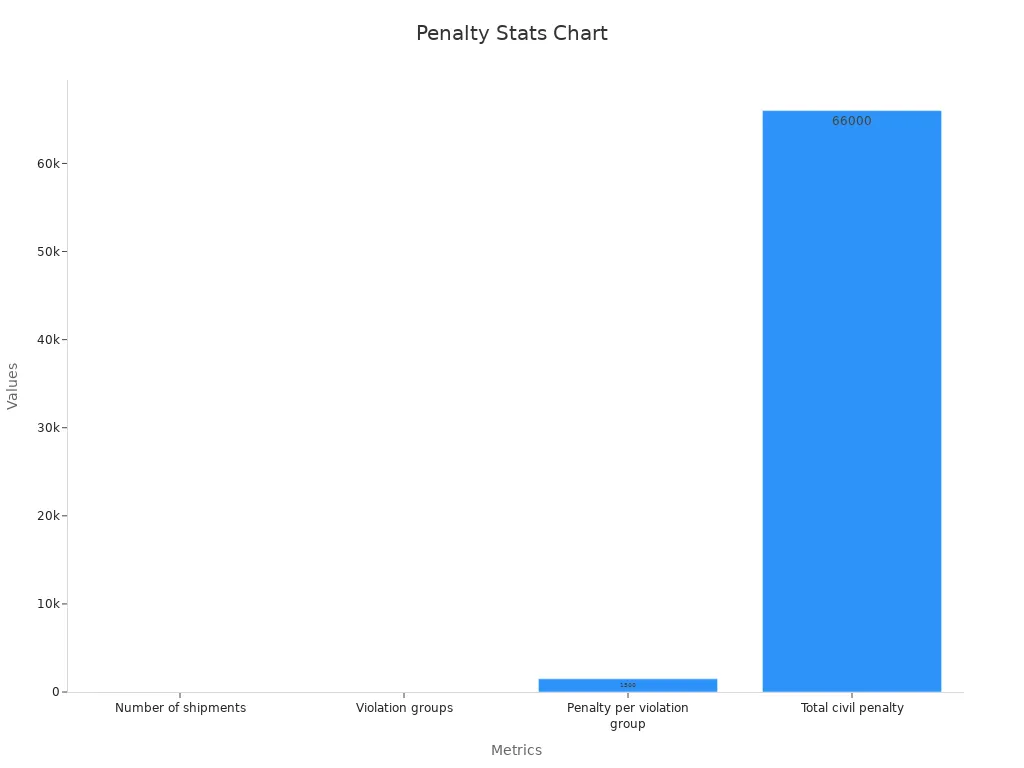
Shipping lithium-based batteries by air demands strict adherence to global and carrier-specific rules. Regulatory bodies, including the FAA and IATA, enforce penalties for violations. For example, one enforcement action imposed $66,000 in civil penalties for improper transporting lithium batteries.
Failure to comply may result in shipment rejection or legal action. These regulations help you safely ship lithium batteries and reduce fire risks in air cargo.
Quick Answer
Shipping lithium-based batteries by air requires correct UN classification, tested cells or packs, compliant packaging, labels, documentation, and state-of-charge limits for standalone lithium-ion batteries. Rules vary by battery chemistry, equipment configuration, watt-hour rating, and carrier requirements.
Key Takeaways
- Always use UN 38.3 certified lithium batteries and follow IATA packaging and labeling rules to ensure safe and legal air shipment.
- Ship lithium batteries at no more than 30% charge and protect terminals to reduce fire risks and meet airline requirements.
- Use cargo aircraft for standalone lithium batteries and never ship damaged or recalled batteries to avoid penalties and safety hazards.
Part 1: Battery Types and Scenarios
1.1 Lithium Ion Batteries vs. Lithium Metal
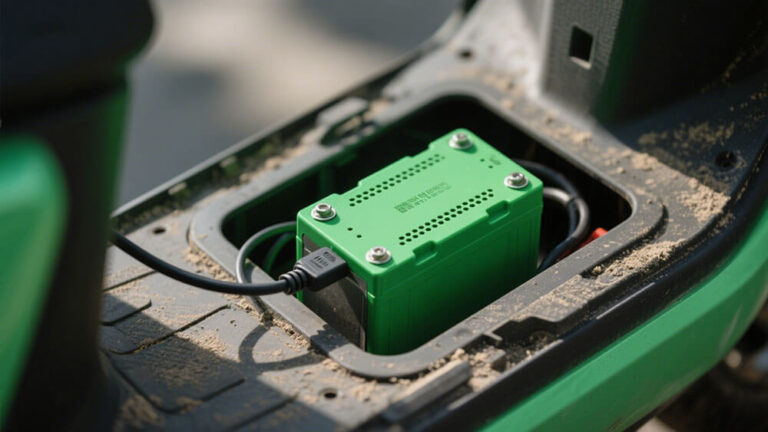
You will encounter two main types when transporting lithium batteries by air: lithium ion batteries and lithium metal batteries. Lithium ion batteries, often used in consumer electronics like laptops and smartphones, are rechargeable and have a typical energy density of 160–270Wh/kg for NMC Lithium battery and 180–230Wh/kg for LCO Lithium battery. Lithium metal batteries, found in devices such as sensors and medical equipment, are non-rechargeable and offer higher energy density, reaching up to 500Wh/kg. Airlines and regulators treat these batteries differently. Lithium metal batteries face stricter limits due to their higher risk profile. You must always check the battery chemistry and follow the correct guidelines for each type.
| Feature | Lithium Ion Batteries | Lithium Metal Batteries |
|---|---|---|
| Rechargeable | Yes | No |
| Typical Applications | Laptops, phones, medical devices, robotics | Sensors, watches, backup systems |
| Energy Density | 160–270Wh/kg (NMC), 180–230Wh/kg (LCO) | 300–500Wh/kg |
| Air Transport Limits | Less than 100Wh per battery and 8g li-ion content per cell | 2g lithium content per battery |
1.2 Battery Packs, Equipment, and Spares
You must classify your shipment as battery packs, batteries contained in equipment, or spare batteries. Battery packs refer to assembled units designed for specific devices, such as industrial robots or infrastructure backup systems. Batteries contained in equipment remain installed in the device, which reduces handling risks during transport. Spare batteries, shipped separately, require extra protection against short circuits and physical damage. Airlines and carriers impose stricter packaging and labeling requirements for spares. Always use approved packaging and ensure each battery is isolated to prevent accidental contact.
1.3 Commercial vs. Personal Shipments
Commercial shipments of lithium-ion batteries and lithium metal batteries follow rigorous certification and packaging standards. Personal shipments, often carried by passengers, show a higher rate of safety incidents. The table below highlights key differences:
| Aspect | Passenger (Personal) Shipments | Cargo (Commercial) Shipments |
|---|---|---|
| Incident Frequency Ratio | 3.72x higher in passenger planes | Baseline (lower frequency) |
| Common Causes | Lack of knowledge, mechanical damage, overheating | Controlled, certified packaging |
| Devices Involved | Phones, laptops, e-cigarettes | Certified commercial batteries |
| Outcomes (2018–2023) | Evacuations, aircraft returns, injuries | Significantly lower rates |
| Risk Factors | Uncertified devices, black market batteries | Certified, regulated |
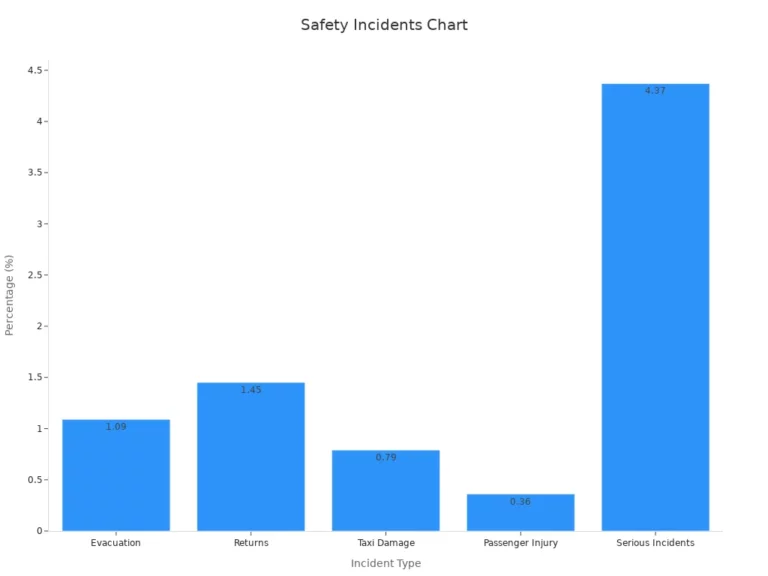
You reduce risk and improve compliance by following commercial shipping protocols for transporting lithium batteries. Always consult with experts for large-scale or specialized shipments.
Part 2: Regulations for Shipping Lithium-based Batteries by Air
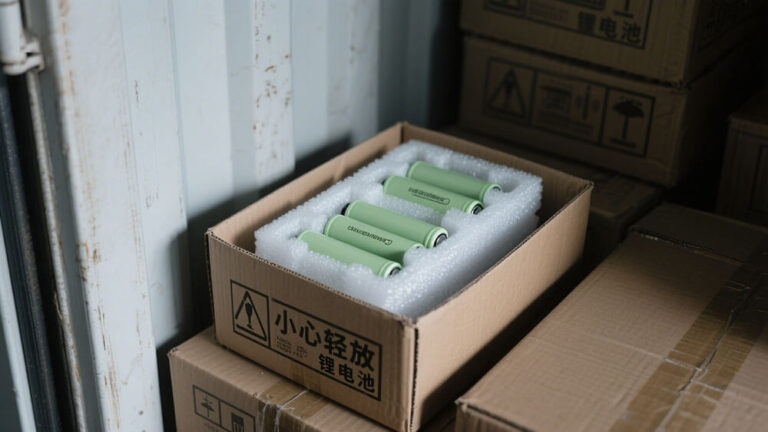
When you handle shipping lithium-based batteries by air, you must comply with a complex set of international and national regulations. These rules exist to protect people, property, and the environment from the risks associated with transporting lithium batteries, which are classified as hazardous materials. Understanding and following these safety and regulatory standards is essential for any business involved in battery manufacturing, integration, or logistics.
2.1 UN 38.3 and IATA DGR
Before you ship any lithium battery pack by air, you must ensure it passes the UN 38.3 test. This certification, required by the United Nations Manual of Tests and Criteria, verifies that your battery can withstand common transportation hazards such as vibration, shock, and temperature changes. Without UN 38.3 certification, airlines and freight forwarders will reject your shipment.
You also need to follow the International Air Transport Association (IATA) Dangerous Goods Regulations (DGR). The IATA DGR provides detailed instructions for classifying, packaging, labeling, and documenting lithium batteries. For lithium-ion batteries, refer to IATA Packing Instructions 965 to 970, which cover different shipment scenarios:
- PI 965: Lithium-ion batteries shipped alone
- PI 966: Lithium-ion batteries packed with equipment
- PI 967: Lithium-ion batteries contained in equipment
- PI 968: Lithium metal batteries shipped alone
- PI 969: Lithium metal batteries packed with equipment
- PI 970: Lithium metal batteries contained in equipment
In the United States, you must also comply with the Pipeline and Hazardous Materials Safety Administration (PHMSA) and Hazardous Materials Regulations (HMR). These rules align closely with IATA but may include additional requirements for documentation and emergency response information.
2.2 State of Charge and Quantity Limits
You must pay close attention to the state of charge (SoC) and quantity limits when transporting lithium batteries. For lithium-ion batteries shipped by air (UN 3480), IATA requires that you ship them at no more than 30% of their rated capacity unless you have special approval. This rule reduces the risk of thermal runaway during transport.
The following table summarizes the main numerical thresholds for state of charge and quantity limits across major carriers:
| Aspect | Numerical Threshold / Limit | Carrier/Regulatory Notes |
|---|---|---|
| State of Charge (SoC) | ≤ 30% of rated capacity (without special approval) | Applies to all lithium-ion cells and batteries (UN 3480); IATA Special Provision A331 |
| Watt-hour (Wh) Limits | Up to 100 Wh per battery (no special permission) | FAA baseline for passenger-carried lithium-ion batteries |
| Lithium Metal Batteries | ≤ 2 grams lithium per battery | Larger batteries (2-8 grams) allowed with airline approval |
| Quantity Limits | No general limit for most personal-use batteries | Batteries for sale or distribution prohibited |
| Carry-on Requirement | Spare lithium batteries in carry-on baggage only | Terminals must be protected from short circuit (e.g., tape, original packaging) |
| Airline Variations | Some airlines impose stricter rules | United, American, Delta may have additional restrictions based on safety assessments |
You must also ensure that each battery pack is properly protected against short circuits. Use original packaging or insulate terminals with non-conductive tape. For commercial shipments, always check with your carrier for any additional restrictions beyond the IATA and FAA baseline.
2.3 Cargo Aircraft Only Restrictions
Since 2016, IATA and most national authorities have prohibited the transport of standalone lithium-ion batteries as cargo on passenger aircraft. You must ship these batteries on cargo aircraft only. This rule applies to both lithium-ion and lithium metal batteries shipped without equipment.
- Cargo Aircraft Only (CAO) Label: You must affix a CAO label to every package containing standalone lithium batteries.
- Packaging Requirements: Your packaging must pass a 1.2-meter drop test and prevent battery movement inside the box. Each battery must be isolated to prevent contact with other batteries or conductive materials.
- Documentation: You must provide a Shipper’s Declaration for Dangerous Goods and any carrier-specific forms.
By following these shipping regulations, you protect your business from legal penalties and ensure the safe delivery of lithium battery packs for critical applications in medical, robotics, security systems, infrastructure, consumer electronics, and industrial sectors.
Part 3: Packaging, Labeling and Documentation
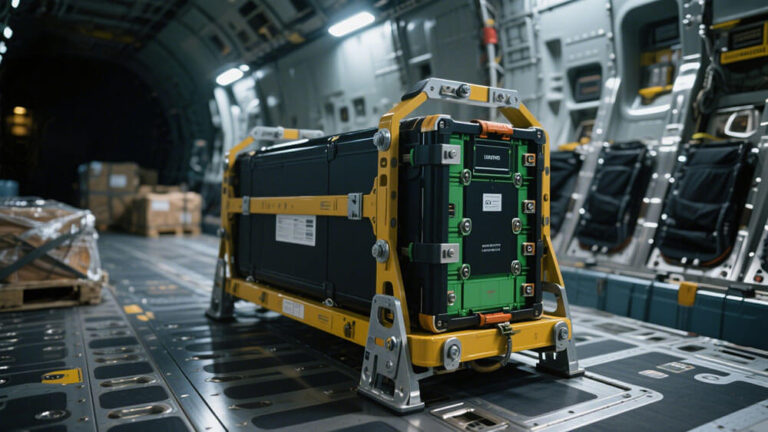
3.1 Packaging for Lithium Ion Batteries
You must follow strict packaging requirements when shipping lithium ion batteries by air. These requirements protect your shipment from physical damage and reduce fire risk. The table below summarizes the best practices and regulatory standards:
| Aspect | Packaging Requirements |
|---|---|
| UN 38.3 Testing | All lithium ion batteries must pass UN 38.3 safety tests before shipment. |
| Packaging Instructions | ≤100 Wh: Use strong, impact-resistant cases; >100 Wh: UN-approved packaging is mandatory. |
| Packaging Materials | Choose steel, aluminum, rigid plastic, or wood that can withstand a 1.2 m drop test. |
| Weight Limits | ≤100 Wh: Max 10 kg per package; >100 Wh: Max 35 kg per package for cargo aircraft. |
| State of Charge (SoC) | Limit SoC to 30% for air transport, as recommended by ICAO. |
You should always insulate terminals and prevent battery movement inside the package.
3.2 Required Labels
Proper labeling is essential for compliance and safety. You must apply the following labels to each package:
- Class 9 hazard label for lithium ion batteries.
- Lithium battery handling label with a phone number for emergencies.
- Cargo Aircraft Only label if shipping standalone batteries by air.
3.3 Shipping Papers
Accurate documentation prevents shipment delays and legal issues. You need to prepare:
- Shipper’s Declaration for Dangerous Goods
- Air Waybill
- Packing List
- Material Safety Data Sheet (MSDS)
Incomplete or incorrect paperwork often leads to shipment rejection or fines. You should review all documents for accuracy and compliance with IATA Dangerous Goods Regulations. Pre-shipment checks help you avoid costly disruptions and ensure smooth customs clearance.
To ensure compliant shipping lithium-based batteries by air, you must follow all packaging, labeling, and documentation rules. Stay updated with IATA and UN standards. Invest in regular staff training.